
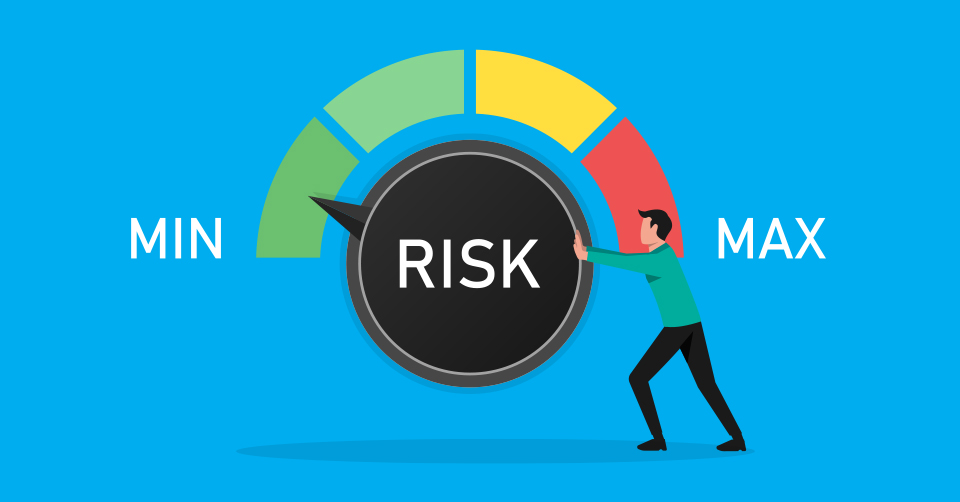
Specialist HR and employment solicitor, Sarah Buxton, offers her suggestions as to how to manage the various risks a dental practice may need to consider.
Operational Risks
Managing a dental practice is not only about providing quality patient care, but also ensuring the well-being of staff and compliance with employment laws and regulatory guidance. No matter how diligent you are as a practice manager or a principal you could be exposed to HR-related challenges and potential claims of unfair treatment/accusations of wrongful dismissal by colleagues. To safeguard against these risks while maintaining a thriving practice, you need to adopt tailored strategies for prevention, mitigation and protection.
A three-step approach to risks allows management to reduce risks, thus allowing the practice to thrive.
Prevention Methods
Tailored HR Policies
Having comprehensive HR policies specifically tailored to the needs and requirements of a dental practice will guide your staff and ensure the well-being of your patients and the staff themselves. These policies should cover areas such as patient confidentiality, professional conduct, infection control protocols and compliance with healthcare regulations. HR Policies like Inclusion and Diversity, Performance Management and Grievance policies, will ensure that staff know and understand the behaviours expected of them.
TOP TIP: always refer to the policies when dealing with conflict or addressing behavioural issues.
Staff Training and Competence
The biggest asset to any business is its workforce. Investing in training for your staff will enhance their skills, help them stay current with industry trends and ultimately provide better care for your patients. This commitment to professional growth also demonstrates your practice’s dedication to excellence and continuous improvement.
Regular training sessions for all staff members on subjects such as safeguarding children, dealing with vulnerable people and managing data will ensure you have a team of staff that meet legal and regulatory expectations. Encourage staff to engage in ongoing CPD to stay up to date with the latest advancements in dentistry, technology and patient care practices. This could involve attending conferences, workshops, or online courses.
TOP TIP: in one-to-one sessions or performance review meetings, discuss development opportunities and set objectives.
Effective Communication
Foster open communication between management and staff to address concerns and prevent misunderstandings. Regular team meetings, suggestion boxes and anonymous reporting mechanisms can facilitate feedback and ensure issues are addressed promptly. Reinforce the importance of ethical behaviour and professionalism in all interactions with patients and colleagues. Staff should understand their obligations under relevant professional codes of conduct and regulations.
TOP TIP: have a “door is always open” culture.
Documentation Practices
Maintain meticulous documentation, especially for HR-related activities, including employee performance evaluations, training sessions and disciplinary actions. Detailed records serve as evidence of compliance with policies and can support the practice’s defence in case of litigation.
TOP TIP: if you have a difficult conversation with a staff member, consider having a note taker, so that you can focus on the individual and they can also be a witness.
Risk Mitigation
Addressing employee concerns and conflicts proactively through informal mediation or peer review processes will significantly reduce the risk of disputes escalating into formal litigation.
Performance Management Support
Provide ongoing feedback and support to staff members to address performance issues early and prevent grievances. Offering professional development opportunities and coaching sessions can help mitigate the risk of claims related to unfair treatment or termination.
Compliance Audits
Conduct regular audits of HR practices to ensure compliance with employment laws, healthcare regulations and industry standards. Identifying and addressing compliance gaps proactively reduces the likelihood of litigation arising from regulatory violations.
Protection Measures
Insurance
Legal Expenses cover, Employment Practices Liability insurance, and Employers’ Liability insurance offer protection for businesses. They help mitigate the financial risks associated with legal disputes, employment-related claims and workplace injuries, ensuring that businesses have the necessary resources to navigate legal challenges and protect their interests.
- Most practice insurance policies will include Legal Expenses (LE) Cover, providing protection against the costs associated with legal disputes and proceedings, such as court fees, lawyer’s fees and other legal expenses. This protection is limited and usually has a maximum limit of around £100,000 and does not always cover compensatory awards.
- Employment Practices Liability (EPL) cover on the other hand, protects businesses against claims made by employees alleging wrongful employment practices, such as discrimination, harassment, wrongful termination, retaliation or even partnership expulsions. EPL insurance is crucial because employment-related lawsuits can be costly, time-consuming and damaging to a company’s reputation. Limits can be anything from £100,000, and more importantly, it not only covers defence costs but also compensatory awards and damages to the employee. EPL normally is covered under a management liability policy, most dental practices do not have this cover therefore you should enquire with your broker.
- Employers’ Liability (EL) Insurance is a legal requirement and automatically covers up to £10million. EL provides protection for businesses against claims made by employees for work-related injuries or illnesses that are not covered by workers’ compensation. This should be covered under the practice insurance.
TOP TIP: speak to your insurance broker about the risks and what protection is available.
Legal Representation
It’s best to engage experienced employment law attorneys to provide guidance on HR matters and to represent the practice in litigation, if necessary. Legal experts can navigate complex legal requirements and present compelling arguments on behalf of the practice.
Continuous Improvement
Stay informed about changes to employment laws, healthcare regulations and industry best practices to adapt HR policies and procedures accordingly. Continuously updating practices ensures ongoing compliance and protection against potential litigation.
In conclusion, proactive HR management is essential for navigating the complexities of a dental practice environment and minimising the risk of litigation. By implementing tailored strategies for prevention, mitigation and protection, practices can ensure compliance with laws and regulations while maintaining a positive workplace culture conducive to staff satisfaction and patient care excellence.
About Sarah
Sarah Buxton specialises in acting exclusively for dentists, dental managers and dental practice owners in all aspects of HR and employment law and is a director at Buxton Coates Solicitors Ltd. Sarah advises dental practices on managing and motivating their staff, dealing with sickness absence, assisting with making changes to employment contracts and, if needed, how to bring the employment relationship to an end.








Leave a Reply